
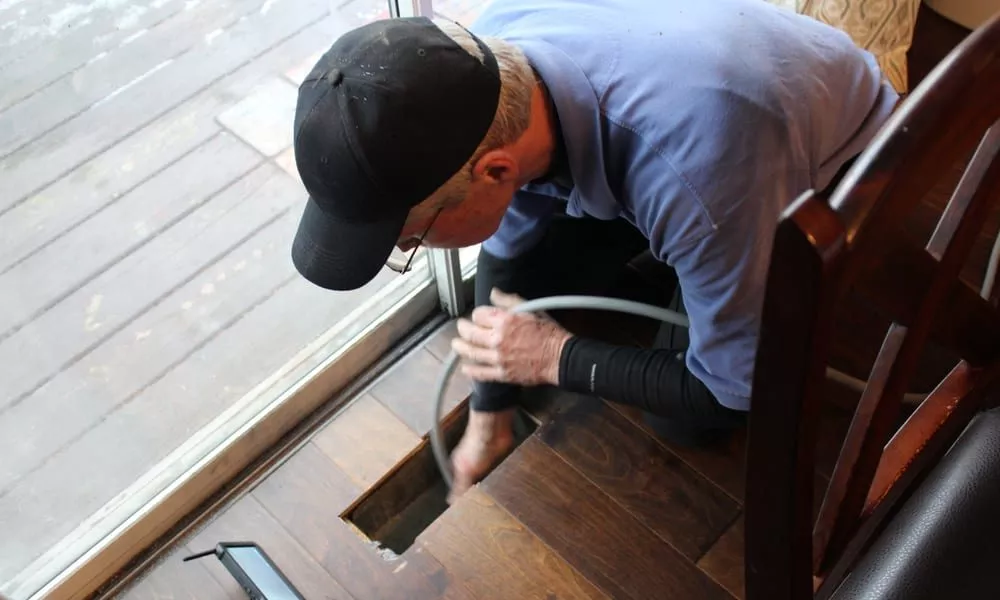
Air inside a home moves through hidden pathways every day. Dust builds up slowly in these areas. Over time, this affects how clean the air feels during normal breathing. Many people search for air duct cleaning sarasota fl because they want clearer indoor air without guessing what is wrong.
People usually expect a quick fix. In reality, the process needs a clear structure. Without proper steps, cleaning may stay incomplete. This leads to repeated issues and confusion about results. A simple and planned approach helps avoid these problems.
Why a structured cleaning approach matters more than guesswork?
Cleaning ducts is not just about removing visible dust. It requires a sequence that covers every internal section properly.
- Inspect duct paths before starting any cleaning work
- Use proper tools designed for internal air pathways
- Follow a fixed direction while removing dust buildup
- Seal openings to prevent dust from spreading again
- Check airflow after cleaning to confirm improvement
A structured process reduces missed spots and improves overall results.
Manual inspection method for initial assessment
This method focuses on checking visible sections first. It helps identify areas with heavy buildup.
In real conditions, people open vents and look inside with basic tools. This gives a rough idea of dirt levels.
The limitation is that deeper sections remain unseen. Hidden buildup may still exist beyond visible areas.
Vacuum-based removal approach for surface dust
This method uses suction tools to remove loose particles. It works well for light accumulation.
During actual cleaning, tools pull dust from ducts into a collection unit. This reduces airborne spread.
A common issue is weak suction in long ducts. Some particles may remain stuck inside.
Brush-assisted cleaning for stubborn buildup
Brush tools help loosen dirt that sticks to surfaces. This method supports deeper cleaning.
In practice, rotating brushes move through ducts to break dust layers. This improves cleaning reach.
The difficulty is handling fragile duct sections. Too much force may damage internal surfaces.
Air pressure flushing for deep clearing
High-pressure air pushes remaining particles out of the system. It reaches areas that tools miss.
Technicians use controlled bursts to move debris toward exit points. This clears deeper pathways effectively.
The limitation is dust spread if the sealing is not proper. Preparation becomes very important here.
Filter replacement method for airflow support
Cleaning alone is not enough. Filters must also be checked and replaced when needed. In real use, a clogged filter blocks airflow even after duct cleaning. Replacing it restores balance. The issue is neglect. Many people skip this step and see no improvement later.
Combined approach for better results
A mix of methods often works better than using one technique. Many cases require layered cleaning.
Using inspection, suction, brushing, and flushing together improves coverage. This creates more reliable results.
However, it takes time and proper order. Skipping steps reduces effectiveness.
Why results often fail for many households?
Many people expect instant changes after one cleaning. This leads to disappointment.
Common mistakes include partial cleaning and ignoring filters. Some skip inspection entirely.
Changing indoor conditions also affects results. Dust returns faster in certain environments.
Building long term consistency through routine checks
Consistent checking helps maintain clean airflow over time. It reduces buildup before it becomes serious.
Reviewing duct condition every few months supports better control. Small actions prevent larger issues.
Using a repeatable routine matters more than a one-time effort. Discipline improves long term results.
Frequently Asked Questions
- How often should ducts be cleaned? Every few months, based on dust levels and airflow changes.
- Does cleaning improve air quality immediately? It may improve gradually depending on buildup severity.
- Can basic tools handle duct cleaning? Basic tools help with surface cleaning, but deeper areas need proper equipment.
- Why is the airflow still weak after cleaning? Blocked filters or missed sections may reduce airflow.
- Is one method enough for complete cleaning? Using multiple methods gives better and more reliable results.
A clear process always performs better than a random effort. Clean airflow depends on repeated checks and proper steps. Consistency matters more than quick fixes.
